Which Dumpster Fits Your Arizona Commercial Site?
A construction pile blocking the loading area usually calls for a temporary roll-off; steady daily trash is often easier to manage with front-load service. The right choice depends on how waste is generated and whether a truck can reach the container safely.
| Site need | Starting point | Practical check |
|---|---|---|
| Short renovation or cleanout | Roll-off | Match capacity to debris volume |
| Ongoing business waste | Front-load | Set a service frequency that fits use |
| Heavy concrete debris | Dedicated container plan | Confirm weight limits before loading |
| Tight placement area | Either, after review | Check truck access and turning room |
On open Page job sites, strong sun exposure can make a long loading shift harder on workers and exposed materials; plan shade and safe access around the bin. Arizona State Route 98 connects commercial activity with longer local hauls, so give dispatch the exact address and access notes before scheduling. Rain is limited here, but annual precipitation is often under 10 inches; keep loose debris contained because dry ground does not prevent windblown litter.
When does a roll-off beat a front-load dumpster?
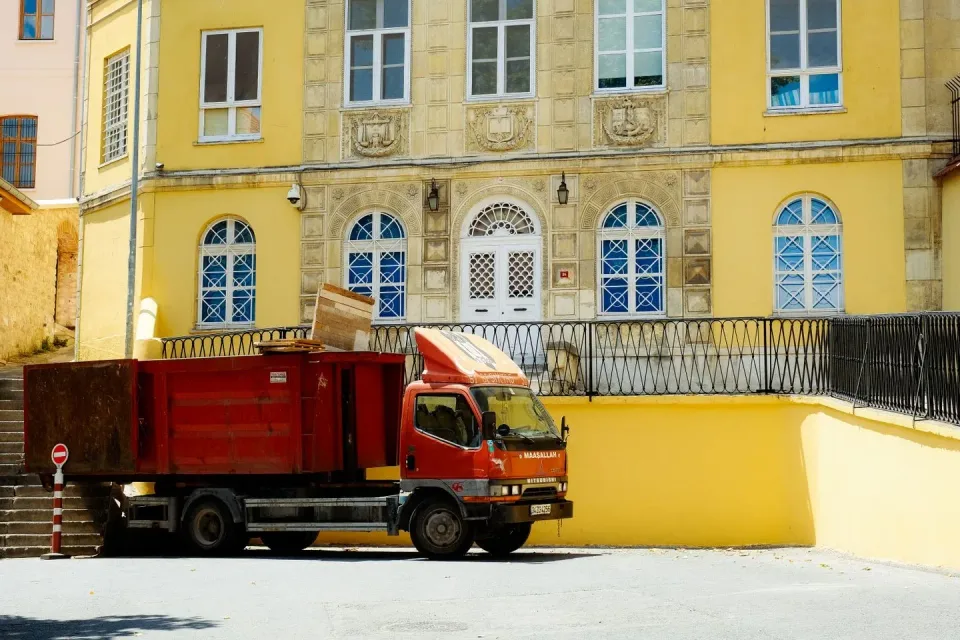
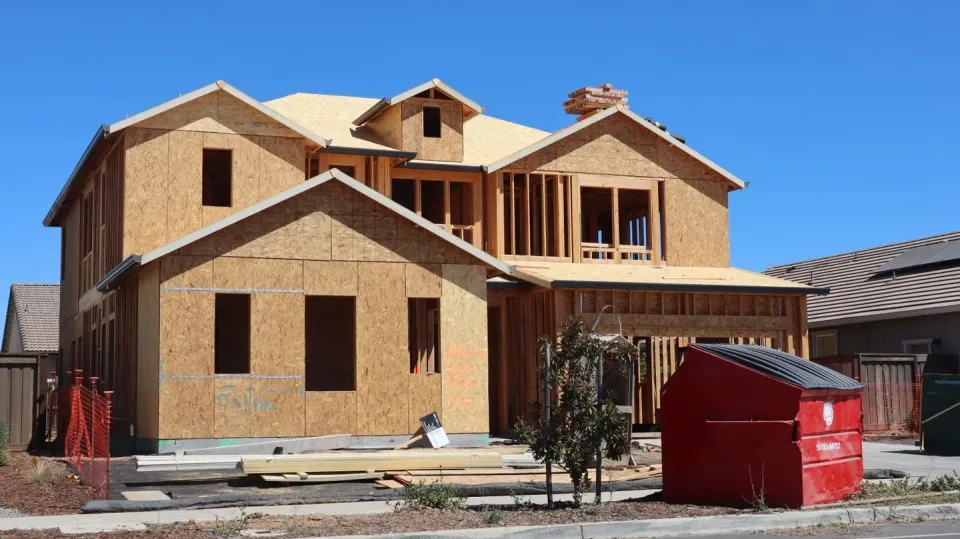
Construction debris piling up during a renovation is a strong reason to use a roll-off: it holds loose project waste and can be removed when the temporary work is done. Front-load service suits businesses producing routine trash that needs dependable, repeated collection rather than a one-time project container. The choice is about the waste pattern, not simply the size of the site.
For a project near the Carl Hayden Visitor Center, tell dispatch whether crews will load bulky materials throughout the day or in a short cleanup push. That detail helps us coordinate placement and pickup without blocking work.
We have seen a container look adequate on paper, then become a problem when loading access conflicts with deliveries. A brief site review can prevent that.
How should Glen Canyon Dam-area sites plan service?
At a site near Glen Canyon Dam, route timing and truck access deserve attention before debris reaches the top of the container. A front-load schedule can suit regular business waste, while a roll-off is a better fit for a defined construction phase that produces a concentrated volume. We coordinate delivery, pickups, and swaps around the site’s working layout, with clear scheduling and practical attention to access.
The arid high-desert climate means loose scraps can remain dry and light, but that does not make them harmless around active work. Secure debris and keep the loading area clear so material does not spread into truck paths.
If construction waste is narrowing a service lane, read our guide on keeping construction debris out of Page business loading areas. Small layout changes can save a crew from moving waste twice.
What changes near Lower Antelope Canyon?
Commercial work near Lower Antelope Canyon may compete with customer, staff, or delivery traffic for limited site space. Choose container placement that leaves the loading zone usable and gives collection equipment a clear approach. Nearby tourism activity is not a reason to assume a particular access condition; share the actual gate, hours, and truck route with dispatch.
Mild, dry spring weather can make outdoor work comfortable, but it can also tempt crews to stage debris beyond the container while they move quickly. Keep waste inside the bin and preserve a clean route for vehicles.
Around Canyon X, the useful planning lesson is the same: describe the real placement area rather than relying on a map pin alone. We ask for access details because a truck that cannot reach the container cannot complete the pickup.
When should you call a pro instead of guessing?
If you are choosing between ongoing front-load collection and a temporary roll-off, start with how quickly the bin fills and whether waste arrives in predictable batches. A manager can handle ordinary segregation and keep the area orderly; call our crew when truck approach, placement, or a blocked loading lane is uncertain. A wrong guess can leave a full container in the way or a delivery unable to reach its drop point.
We have spent more than eight years coordinating waste hauling around Page, where site access and long local routes matter to the schedule. Before dispatch, we confirm the delivery address, contact, and placement conditions instead of treating every site as identical.
For recurring overflow concerns, see why commercial dumpsters overflow before pickup in Page. Then request a quote with the waste type and expected service pattern ready.
Which Dumpster Choice Works for a Lake Powell Business?
A business producing regular trash needs a different setup from a contractor clearing a temporary work area. Match the container to the waste flow and the collection pattern.
| Option | Best for | Key detail |
|---|---|---|
| Front-load service | Routine business waste | Containers commonly range from 2–8 cubic yards |
| 10-yard roll-off | Compact cleanouts | Temporary open-top capacity |
| 20-yard roll-off | Medium construction projects | Confirm debris type and placement access |
| 30-yard roll-off | Larger renovation projects | Useful for higher-volume project waste |
| 40-yard roll-off | Bulky, high-volume debris | Check truck access and loading plan |
When summer highs exceed 100°F, workers may need more frequent breaks while loading; keep the container approach clear so the crew can work without extra handling. A site along U.S.
Route 89 should share its exact truck entrance and turning constraints before dispatch, not just the business address. Near Lake Powell, freeze-thaw cycles can affect exposed hoses and water lines, so avoid placing equipment where connections could be strained. Ask which container fits both the waste and the service schedule.
How to Prepare a Dumpster Site Before Delivery
-
Confirm the address and contact: Share the delivery location, gate instructions, and a reachable site contact before dispatch; a project near The New Wave still needs precise placement instructions.
-
Check the approach: Look for low branches, overhead wires, parked vehicles, and enough turning room; note any route limits near Glen Canyon Bridge.
-
Choose a firm spot: Set the container on a stable, level surface and keep its doors accessible for loading and unloading.
-
Measure the space: Confirm container dimensions against the usable drop area instead of estimating from a parking stall.
-
Keep the load controlled: Do not stack material above the container walls, and separate prohibited waste before pickup.
-
Plan the removal: Schedule collection before the container blocks work, and request a swap when it reaches capacity. Dust storms can cut visibility, so keep the access lane free and give drivers room to maneuver.
If the placement area is uncertain, send clear site details before booking rather than moving the container after delivery. That is usually the step people skip.
Choose a Dumpster Plan That Keeps Page Sites Moving
For a temporary construction push, a roll-off can keep loose project debris in one place; for regular business waste, front-load service may better fit routine collection. The best plan accounts for the waste stream, placement, and pickup rhythm before the bin fills or blocks a work area.
Sites serving activity around Glen Canyon National Recreation Area should keep container placement clear of the day’s working and delivery paths. If a property near Golliard Park has a tight access lane, describe that constraint when requesting a quote rather than leaving it for the driver to discover.
We coordinate commercial deliveries, pickups, and swaps with attention to Page-area site conditions. For a practical next step, contact Arizona Dumpster Pros for commercial dumpster rental and share your waste type, site access, and expected service pattern.